Should You Always Fill Your Fuel Tank to Full?
Some drivers always fill their fuel tank completely, while others only add a small amount of fuel. So, is filling the tank to full a good idea, or could it actually harm your vehicle?
Should You Always Fill Your Fuel Tank to Full?
Some drivers always fill their fuel tank completely, while others only add a small amount of fuel. So, is filling the tank to full a good idea, or could it actually harm your vehicle?
The Benefits of a Full Tank
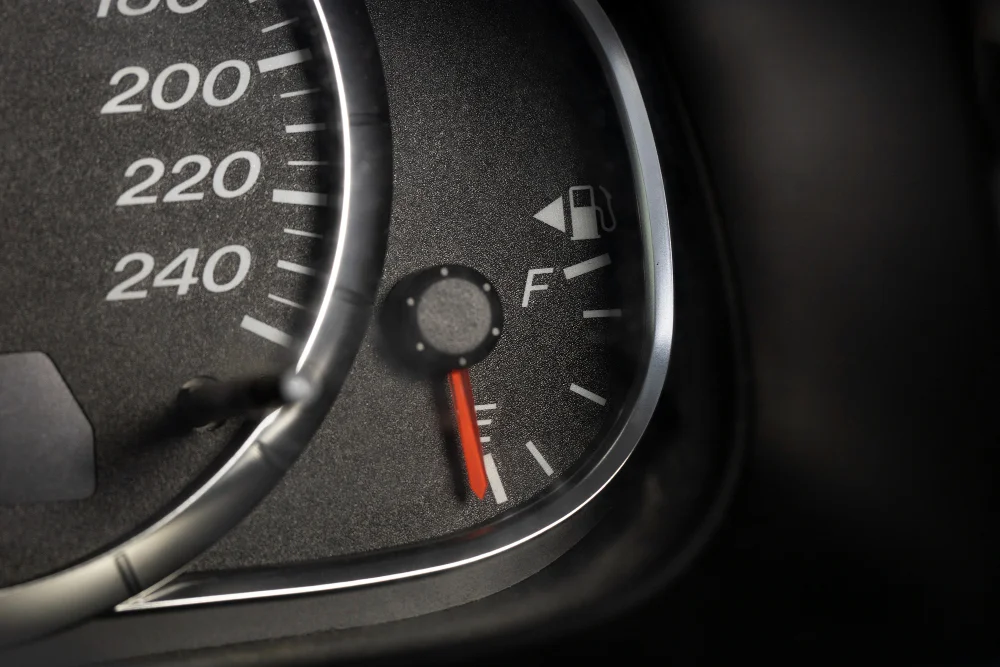
A full fuel tank means fewer visits to the gas station and greater peace of mind during long trips.
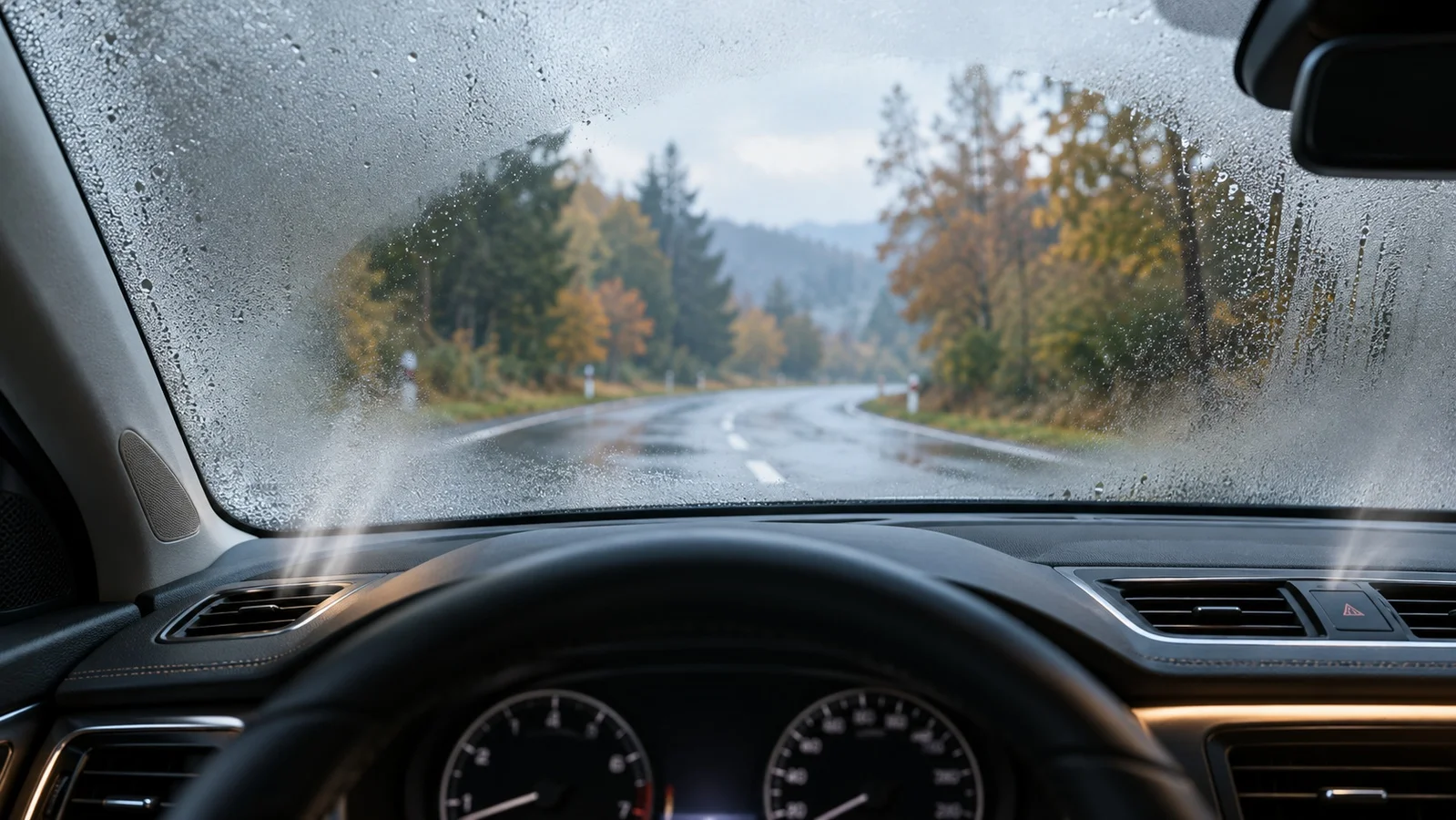
It also reduces the amount of condensation that can form inside the tank, especially during colder months, because there is less humid air inside.
Can Filling the Tank Completely Cause Problems?
A full tank itself is not harmful. The problem begins when drivers continue adding fuel after the pump has automatically stopped.
Modern vehicles are equipped with an EVAP (Evaporative Emission Control) system, which requires a small air space inside the fuel tank. Overfilling the tank repeatedly can force liquid fuel into this system and potentially cause expensive repairs.
Does a Full Tank Increase Fuel Consumption?
A full fuel tank does make the vehicle slightly heavier. For example, 50 liters of gasoline weigh approximately 37 kilograms (82 pounds).
However, under normal driving conditions, the additional weight has such a small effect on fuel consumption that most drivers will never notice the difference.
When Is It Worth Filling the Tank?
- Before a long journey.
- During winter months.
- When fuel prices are particularly low.
- If you prefer fewer trips to the gas station.
When Is It Unnecessary?
If you mainly drive in the city and refuel regularly, there is no real need to fill the tank completely every time.
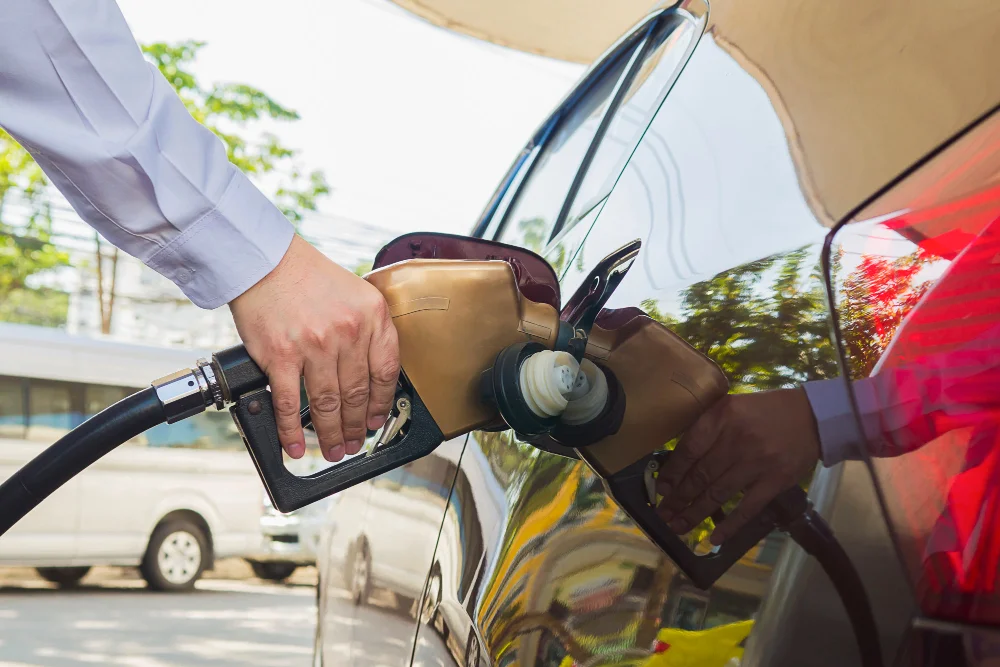
The most important rule is to stop refueling as soon as the fuel nozzle clicks off automatically and avoid forcing extra fuel into the tank.
Conclusion
Filling your fuel tank completely is perfectly safe and often convenient. However, you should never continue filling after the automatic shut-off, as this may damage your vehicle's EVAP system.
For most drivers, the best practice is simple: fill the tank until the first automatic click and then stop.