Why should you avoid driving fast with a cold engine?
In most cases, you can start driving shortly after starting the engine, but it is best to take it easy for the first...
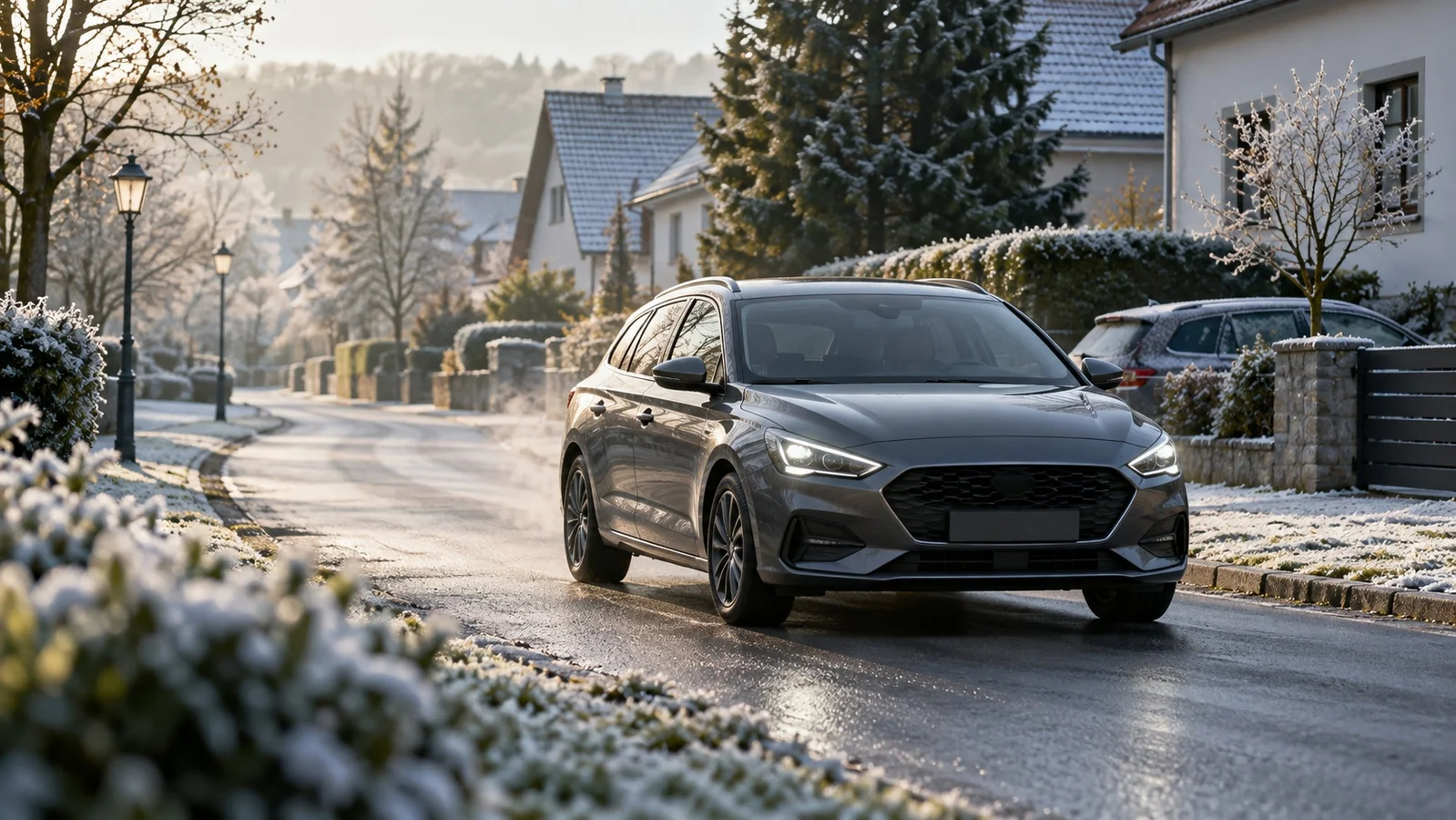
In most cases, you can start driving shortly after starting the engine, but it is best to take it easy for the first few minutes. The engine and oil have not yet reached their normal operating temperature, so hard acceleration and heavy loads are best avoided.
What happens when the engine is cold?
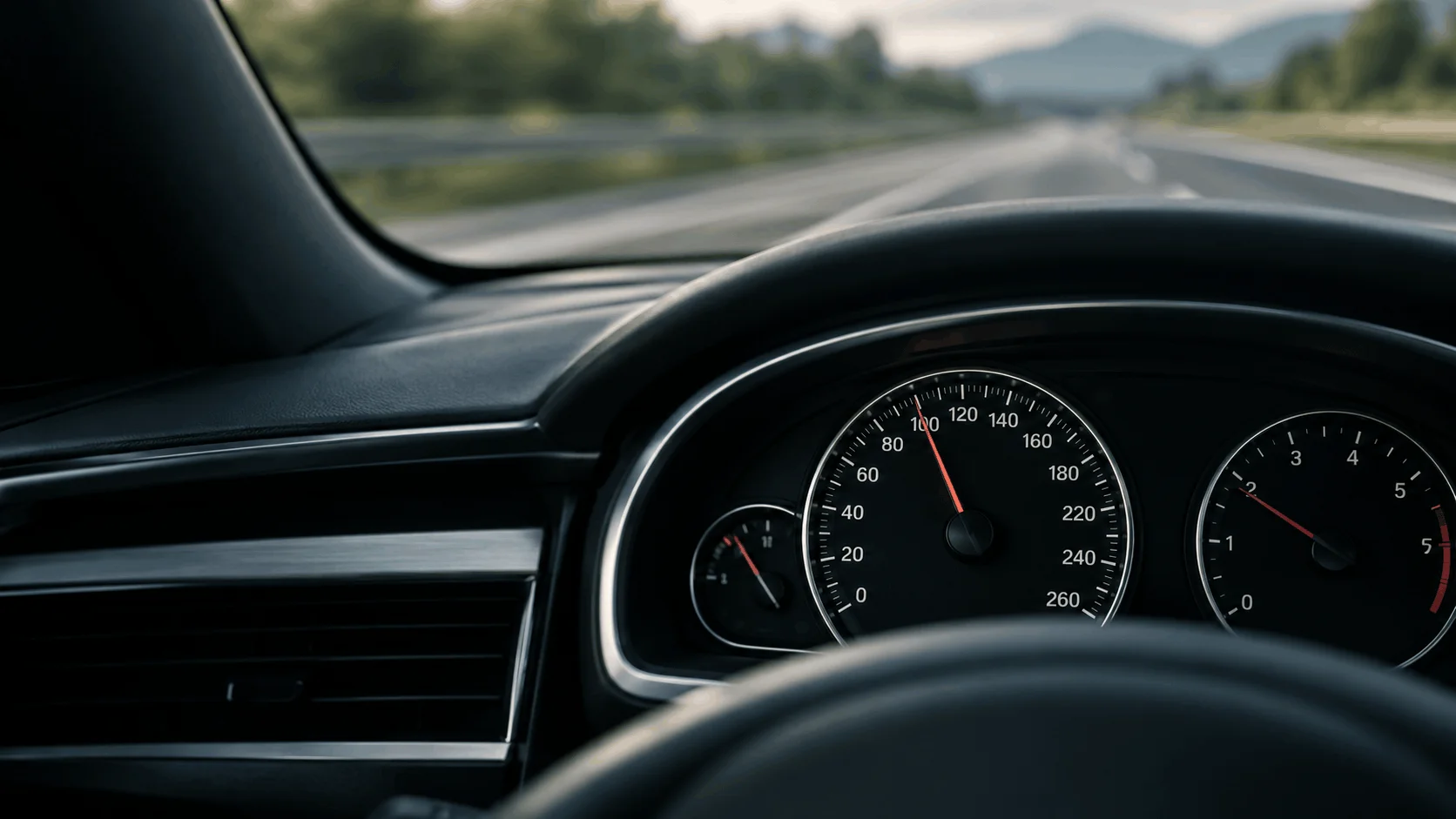
Cold engine oil flows more slowly than warm oil. The engine is designed to handle cold starts, but immediately after starting it should not be pushed to high revs or placed under heavy load. Vehicle owner’s manuals advise avoiding high engine speeds, full throttle and overloading a cold engine.
In cold weather, the gearbox may also need time to warm up. Smooth acceleration is a better choice, and it is sensible to avoid sudden manoeuvres or towing until the vehicle has warmed up.
Do you need to warm up the engine while parked?
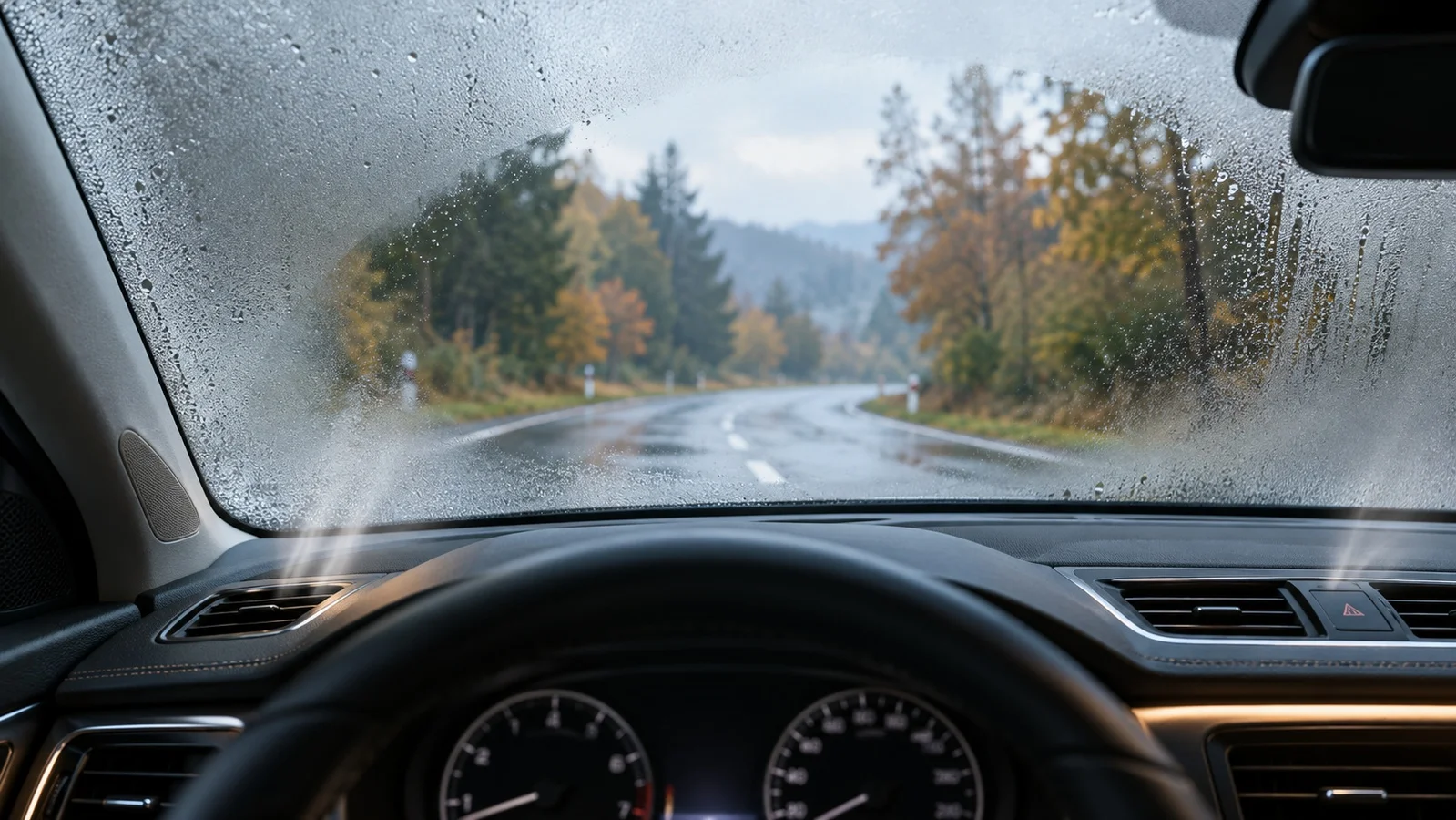
Usually, there is no need to let the engine idle for several minutes before driving. After starting, give it a moment to settle, then set off gently once the windows are clear and visibility is good. In most cases, the engine warms up faster while driving than while idling for a long time.
How should you drive with a cold engine?
- Avoid hard acceleration and full throttle for the first few minutes.
- Keep engine speeds moderate and avoid putting the engine under heavy load.
- Accelerate smoothly and let the engine warm up gradually.
- Follow the vehicle owner’s manual, especially in severe cold or with a diesel engine.
In short, you can drive away with a cold engine, but avoid driving fast or putting it under heavy load until it has warmed up.