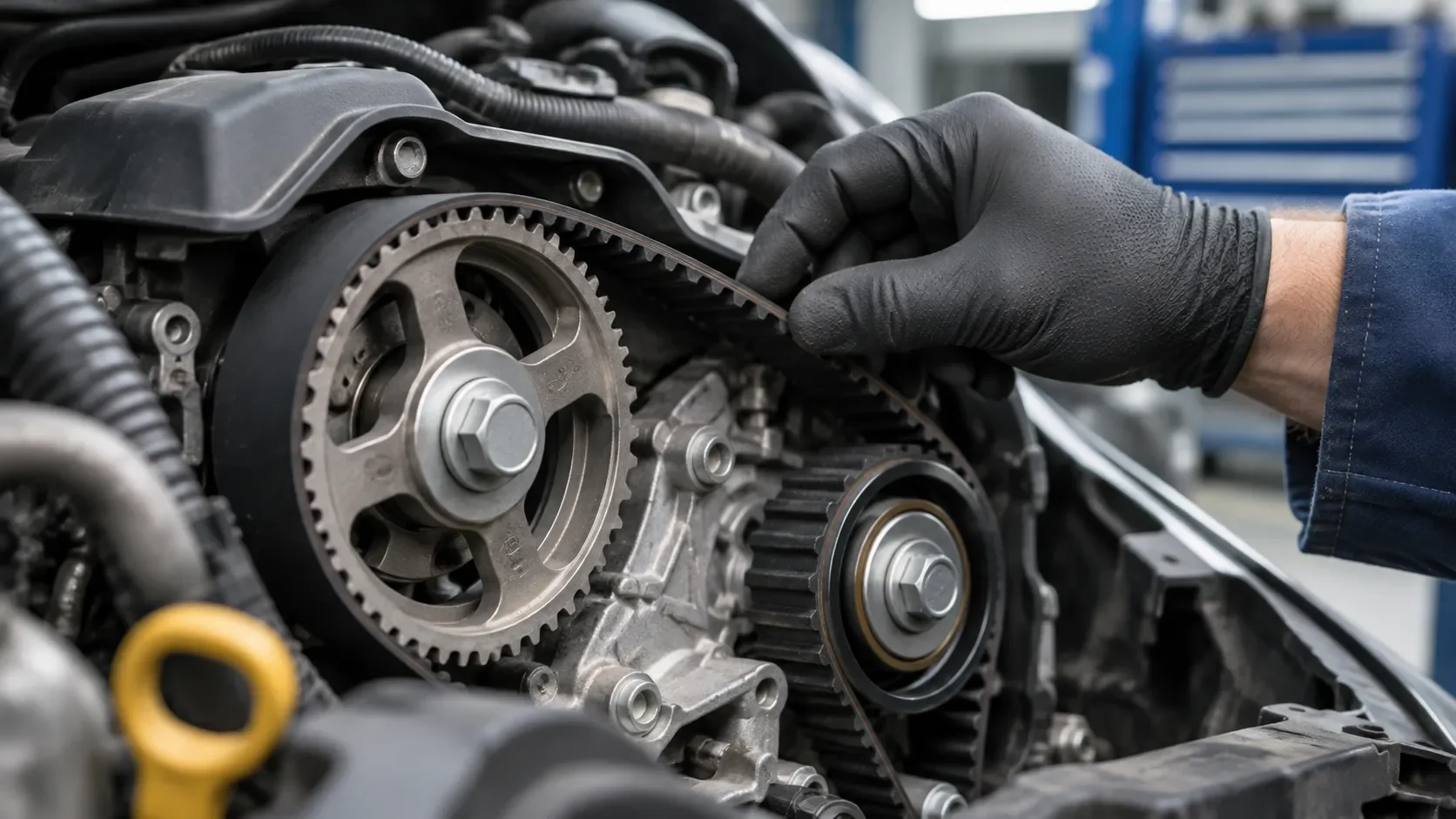
Does Start-Stop Damage Your Car Engine?
Does automatic Start-Stop cause engine wear? Learn how it affects the starter, battery, turbocharger and fuel consumption, and when to turn it off.
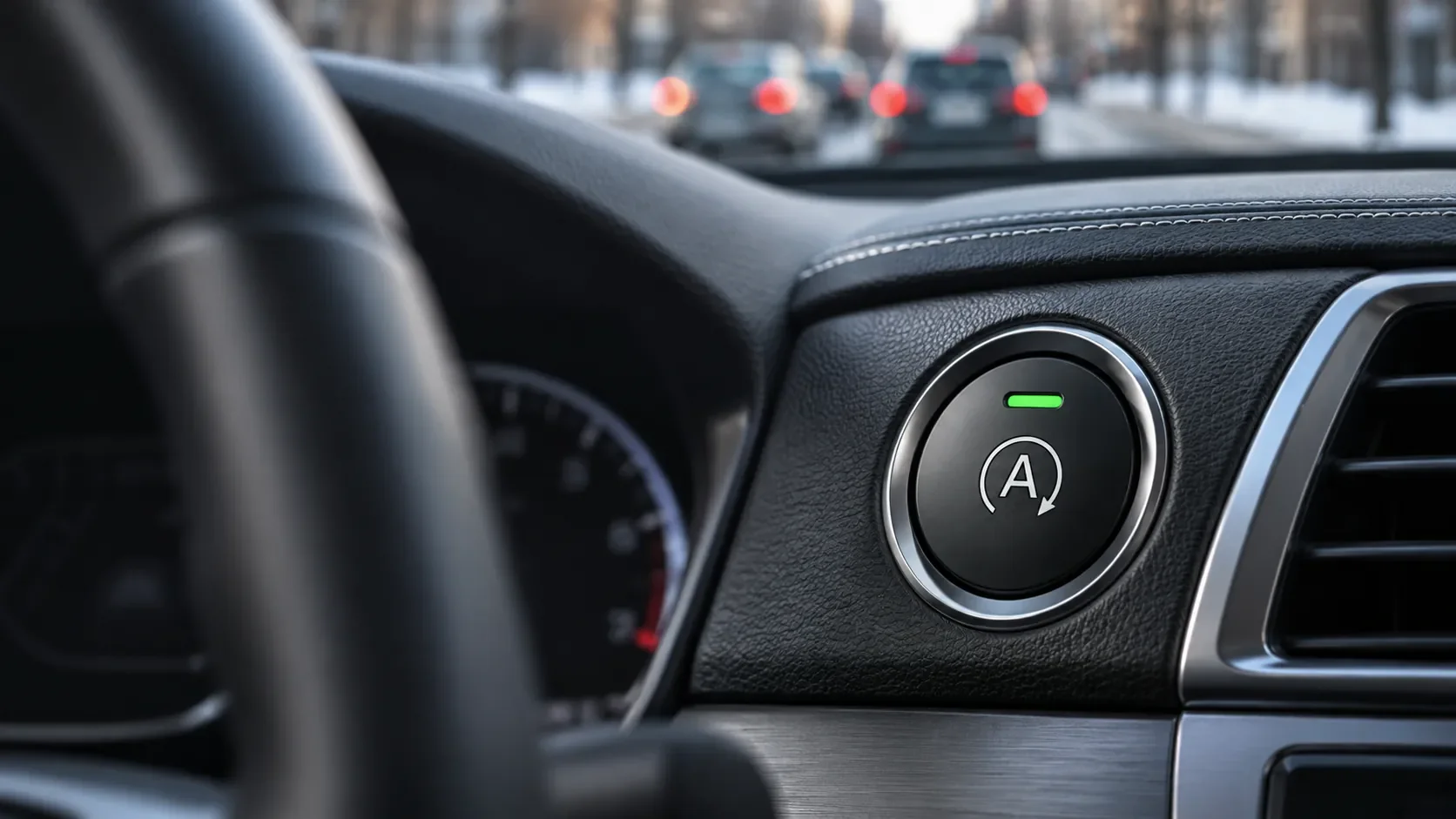
Many modern cars feature an automatic Start-Stop system that switches off the engine when the vehicle stops, such as at traffic lights, and restarts it when the driver is ready to move. The technology is designed to reduce fuel consumption and emissions. However, many drivers wonder whether frequent engine restarts can shorten the lifespan of the engine, starter motor or battery.
How does the Start-Stop system work?
The system monitors vehicle speed, engine temperature, battery condition and other operating parameters. When the vehicle comes to a complete stop and the necessary conditions are met, the engine automatically shuts down.
In automatic cars, the engine usually restarts when the driver releases the brake pedal. In manual cars, restarting generally happens when the clutch pedal is pressed. The exact operation varies between vehicle models.
Does frequent restarting cause engine wear?
Technically, every engine start creates some additional mechanical load. This explains why drivers sometimes worry about the long-term effects of automatic engine restarts.
However, vehicles equipped with factory-installed Start-Stop systems are designed to handle frequent starting cycles. An important distinction is that restarting a warm engine is not the same as starting a completely cold engine on a winter morning.
During a short stop, a protective oil film remains on engine components. In addition, the vehicle's electronics monitor operating conditions and may prevent automatic shutdown when the engine is not ready.
Therefore, a properly functioning factory Start-Stop system is generally not considered an independent cause of premature engine wear. Using manufacturer-approved engine oil and following the recommended maintenance schedule remain important.
What about the starter motor and battery?
Cars with Start-Stop technology perform considerably more engine starts than conventional vehicles. For this reason, manufacturers use reinforced starter motors or specialised starter-generator systems designed to withstand frequent operation.
The battery also needs to handle repeated charging and discharging. Most Start-Stop vehicles use AGM or EFB batteries specifically developed for these demands.
Replacing the original battery with an incompatible conventional battery can lead to premature battery failure and system problems. Some vehicles also require battery registration or coding after replacement.
Can Start-Stop damage the turbocharger?
Turbocharged engines raise another concern. After demanding driving conditions, the turbocharger may become extremely hot, and proper cooling and lubrication are important for its lifespan.
Many modern vehicles monitor engine operating conditions and can prevent an automatic shutdown when necessary. However, the protective measures and control strategies vary between manufacturers.
After prolonged high-load driving, drivers should follow the recommendations in the vehicle owner's manual. Temporarily disabling Start-Stop may be appropriate in certain situations.
Does Start-Stop actually save fuel?
Yes, particularly in urban traffic with frequent stops at traffic lights or in congestion. When the engine is switched off, it does not consume fuel while idling.
The actual fuel savings depend on traffic conditions and the duration of stops. During uninterrupted motorway driving, the benefit is minimal because the engine rarely stops.
Why does Start-Stop sometimes stop working in winter?
Drivers often notice that automatic engine shutdown becomes less frequent during cold weather. In many cases, this is completely normal and does not indicate a malfunction.
The system may remain inactive when:
- The battery charge level is too low.
- The engine has not warmed up sufficiently.
- The outside temperature is extremely low.
- Cabin heating or windscreen defrosting requires the engine to run.
- Other vehicle systems require continuous engine operation.
If Start-Stop remains unavailable under suitable conditions or a warning message appears, checking the battery and performing a diagnostic inspection is recommended.
Should you disable Start-Stop?
For a properly maintained vehicle, there is generally no need to switch off Start-Stop permanently to protect the engine. The technology is designed to manage automatic shutdowns and restarts according to operating conditions.
Conclusion: Start-Stop is not inherently harmful to your engine. Although it increases the number of engine starts and places additional demands on certain components, manufacturers account for these requirements in vehicle design. Choosing the correct battery, using approved engine oil and maintaining the vehicle regularly are more important for long-term reliability.